Insight • Design craft
Embracing Imperfection: Humanizing Design in the Age of AI
Deliberate imperfection builds trust in an era of AI-polished sameness. Here is how to use it well.
We help teams turn insight into action with clear plans, templates, and delivery support.
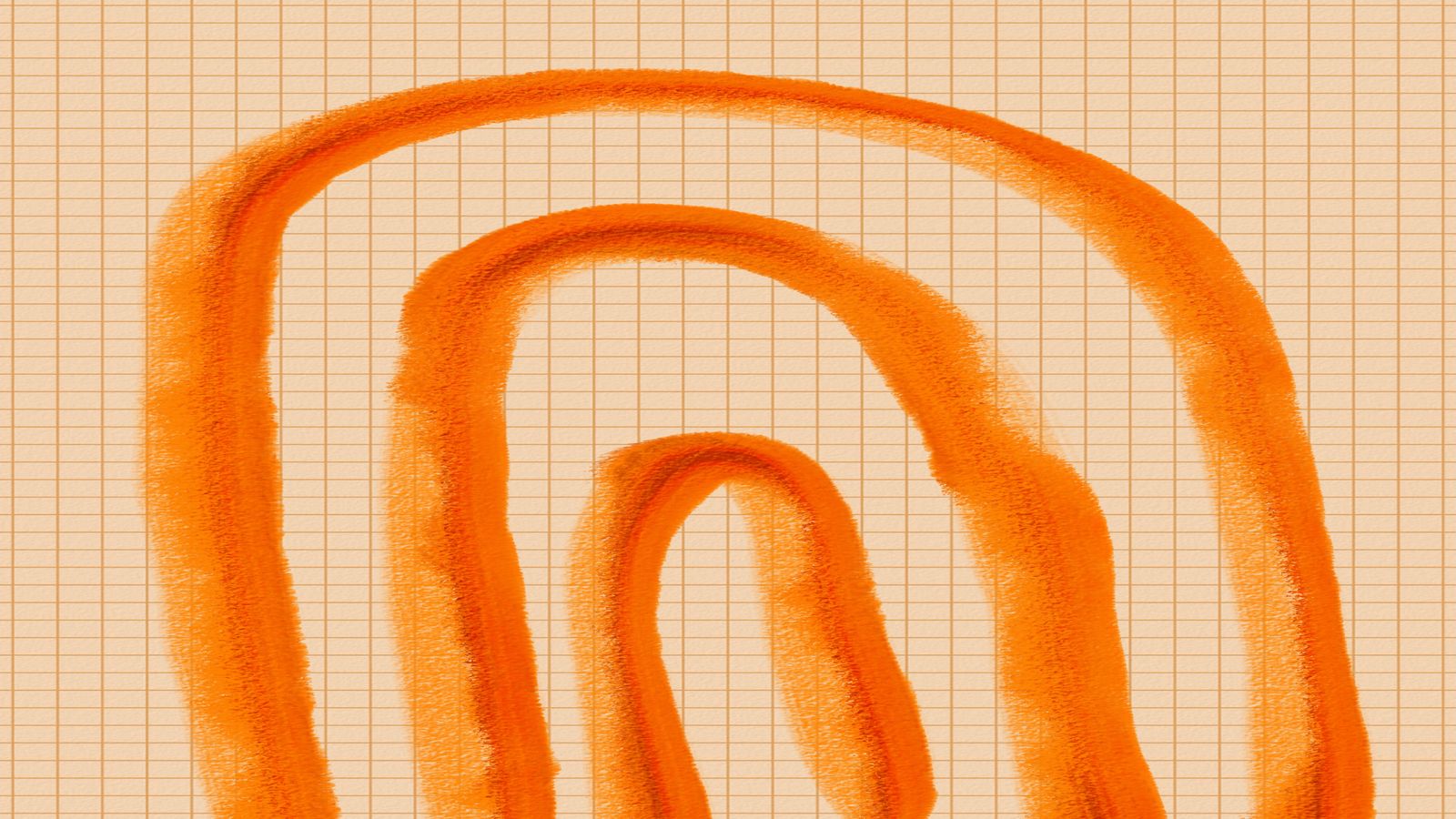
Every AI image generator produces the same uncanny perfection. Every template marketplace ships the same smooth gradients. And every brand that leans entirely on algorithmic polish starts to look like every other brand. In 2026, the most memorable design work carries traces of human hands: asymmetry, texture, editorial judgment, and the kind of warmth that cannot be generated by averaging a dataset.
This is not an argument against technology. It is an argument for intentional imperfection, a design strategy that uses roughness, irregularity, and personality to build trust and recognition.
Why perfection stopped working
For years, the design industry chased polish. Pixel-perfect layouts, stock photography with uniform color grading, and copy that sounded like it came from the same brand voice generator. AI accelerated that trend by making polished outputs cheap and fast.
The result is a credibility problem. When everything looks equally polished, audiences cannot tell who made it or why they should care. Research from the Ehrenberg-Bass Institute consistently shows that brand distinctiveness, not generic professionalism, drives recall and preference. Imperfection is one of the fastest paths to distinctiveness.
What audiences are actually responding to
- Handmade marks that signal real craft (hand-lettered type, sketched icons, textured backgrounds)
- Editorial voice that sounds like a specific person, not a committee
- Asymmetric layouts that feel considered rather than templated
- Photography with grain and context rather than studio-lit genericism
None of these are new ideas. What is new is how strongly they contrast with AI-generated sameness, which makes them more effective now than they were five years ago.
Imperfection as a design strategy (not laziness)
Deliberate imperfection is not the same as sloppy work. It requires more design judgment, not less, because you need to decide which imperfections serve the brand and which undermine it.
A useful framework
Think of imperfection on a spectrum:
- Structural imperfection: asymmetric layouts, irregular grids, hand-drawn compositional elements. These signal intentional design decisions.
- Textural imperfection: paper grain, ink bleed, halftone dots, rough edges. These add warmth and tactility.
- Tonal imperfection: a voice that admits uncertainty, uses humor, or breaks expected patterns. This builds trust through relatability.
- Process imperfection: showing work-in-progress, sketches, or iterations publicly. This signals transparency and craftsmanship.
The key is that each type of imperfection should be chosen because it serves a communication goal, not because it was easier.
Five practical techniques for humanizing design
1) Mix hand-drawn elements with digital precision
Use hand-lettered headlines alongside clean body text. Add sketched icons or illustrations to otherwise minimal layouts. The contrast between rough and refined creates visual interest and signals human involvement.
Practical tip: scan actual hand-drawn elements at high resolution rather than using digital "hand-drawn" fonts, which often look more artificial than the clean alternative.
2) Introduce texture and material references
Add subtle paper textures to backgrounds. Use photography that includes natural grain. Apply halftone or risograph-inspired effects to accent elements. These textures reference physical media and create a sense of tactility that screens otherwise lack.
Be deliberate: one or two textural elements per page is usually enough. Overuse creates clutter.
3) Break the grid intentionally
Asymmetric layouts feel more dynamic and considered than uniform grids. Offset elements slightly. Let images bleed or crop unexpectedly. Use overlapping layers where it serves the narrative.
The rule: the viewer should feel that the layout was arranged by a person with a point of view, not generated by a template.
4) Write with a real voice
Design and copy are inseparable. If the visual design signals warmth and humanity but the copy reads like a corporate memo, the imperfection rings false.
Write in first person where appropriate. Admit what you do not know. Use specific language instead of generic claims. Reference real experiences. If you need help establishing voice, our brand kit workflow covers the process.
5) Show your process
Behind-the-scenes content, sketches, iterations, and rejected directions all humanize a brand. They signal that real people made real decisions, which builds trust more effectively than a polished case study.
Consider adding process shots to project pages, or sharing rough explorations in your insights content.
Where imperfection works best (and where it does not)
Imperfection is most effective when it serves a specific brand positioning:
- Creative studios and agencies benefit from showing craft and personality
- Independent brands and DTC products use warmth to compete against corporate competitors
- Editorial and media brands use tonal imperfection to build authority and relatability
- Cultural institutions use texture and handmade elements to signal authenticity
Imperfection is less effective for:
- Financial services and healthcare where precision and reliability are primary trust signals
- Enterprise software where perceived rigor matters more than personality
- Safety-critical products where any roughness might signal carelessness
Even in these categories, tonal warmth (writing that sounds human) can work. The visual imperfection just needs to be calibrated to the audience's expectations.
How to brief imperfection without chaos
One of the biggest risks with an imperfection strategy is that it becomes an excuse for unclear standards. "Make it feel human" is not a useful brief. Here is how to define it clearly:
Define the imperfection palette
Just as you define a color palette and type system, define which imperfections are allowed:
- Allowed textures: paper grain, ink bleed, halftone
- Allowed structural breaks: offset elements, overlapping imagery, hand-drawn dividers
- Allowed tonal moves: first person, humor, admitted uncertainty
- Not allowed: typos, broken layouts, inaccessible contrast, unclear navigation
Create examples
For every imperfection you allow, create a "good" example and a "too far" example. This gives the team clear boundaries. For briefing fundamentals, see our how to brief a designer guide.
Set accessibility baselines
Imperfection must not compromise usability. Hand-drawn type still needs to be legible. Textured backgrounds still need sufficient contrast. Asymmetric layouts still need logical reading order. Test every creative decision against accessibility fundamentals.
Measuring the impact of humanized design
Imperfection strategies are harder to A/B test than button colors, but you can measure their impact:
- Brand recall: ask users to describe your brand after brief exposure. Distinctive design produces more specific, accurate descriptions.
- Engagement quality: track time on page, scroll depth, and return visits. Humanized content tends to produce deeper engagement.
- Social sharing: content with personality gets shared more than generic polished content.
- Client feedback: listen for language like "this feels like us" or "this stands out." That is the imperfection strategy working.
The balance: imperfection and professionalism
The goal is not to look amateur. The goal is to look intentional, distinctive, and human. The best imperfection work is rigorous underneath: accessible, performant, consistent in its inconsistency. It just refuses to sand off every edge.
Think of it like a well-made ceramic piece: the slight variations in glaze and form are what make it beautiful, but the structural integrity is flawless.
What to do next
If your brand looks like everything else, imperfection might be the fastest path to distinctiveness. Start by auditing your current visual system: where is it too polished? Where does it lack personality? Then pick one or two imperfection techniques and test them on a single project.
If you want help defining an imperfection strategy that fits your brand, book a call or explore our services.
Related reading
Related services: Brand & web delivery