Insight • Search & content
Topic Clusters & Micro-Intents: Smarter Content Strategy for Creative Agencies
Random blog posts do not build authority. Topic clusters organized around micro-intents do.
We help teams turn insight into action with clear plans, templates, and delivery support.
Most creative agency blogs end up as a pile of unrelated posts. A typography article sits beside a branding explainer, then a web design trends piece turns up months later. Each one has to do its own job, which usually means it competes with the same isolated articles on every other site.
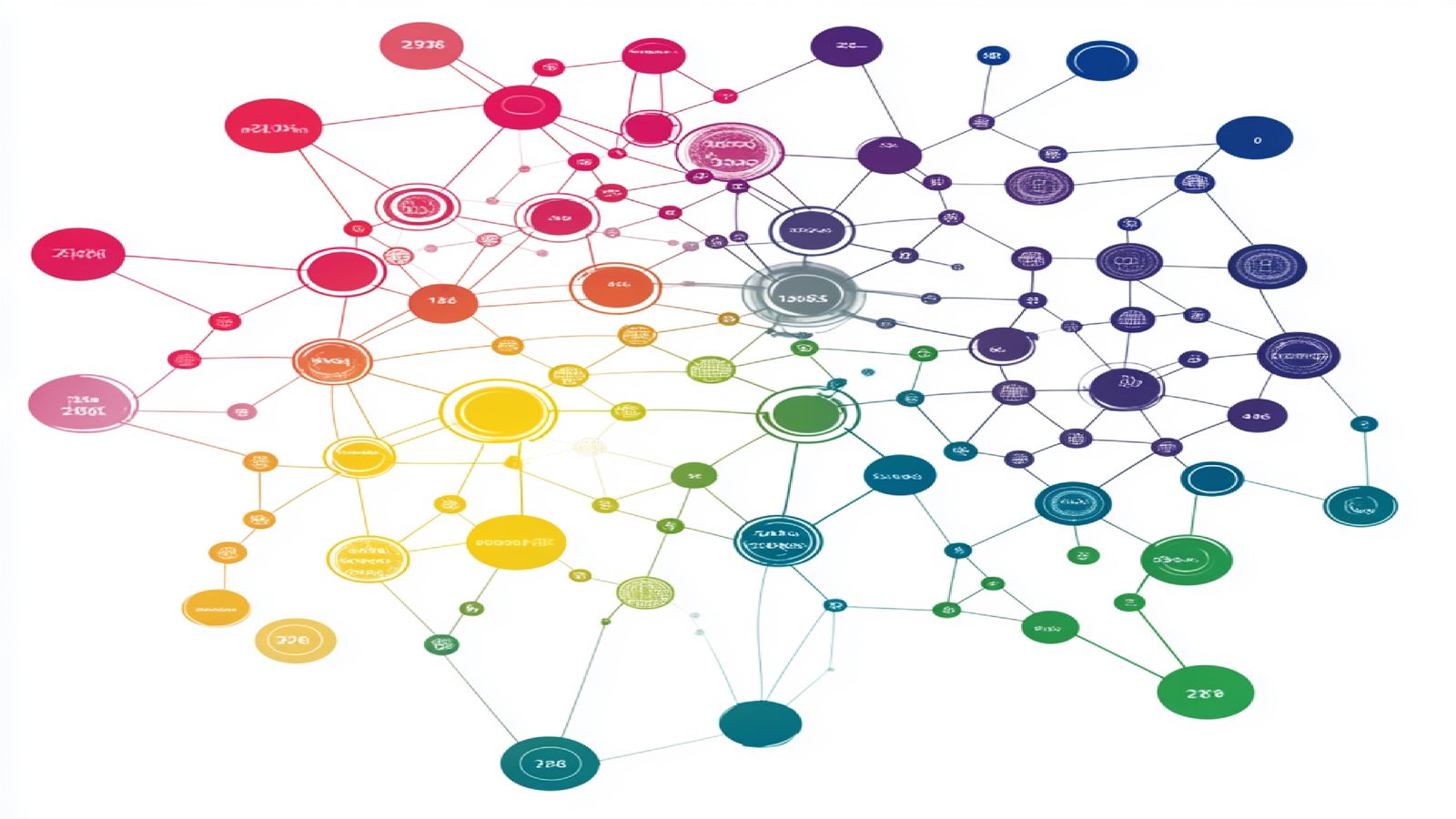
Topic clusters change that shape. Instead of scattered posts, you build linked groups of content around core themes. Each cluster builds authority around one topic, and the articles inside it support each other through internal links, shared context and tighter coverage.
Micro-intents add the missing precision. Rather than chasing broad keywords, you target the specific question behind the search. That puts the content in step with what someone wants, when they want it.
How topic clusters work
A topic cluster has three parts. First, a pillar page, which gives a broad overview of a topic such as "Brand Identity Design". Then cluster articles, which go deeper into specific subtopics like "How to Choose Brand Colors", "Typography Systems for Consistent Branding" and "When to Rebrand". Finally, internal links connect the pillar to every cluster article, and related cluster articles to each other.
The pillar page handles breadth. The cluster articles handle depth. Together, they tell search engines and AI search systems that the site covers the topic properly, not just in passing.
Why clusters work better than isolated articles
Compound authority
A single article on "brand strategy" is up against millions of others. A cluster of fifteen interlinked articles covering research, positioning, visual identity, verbal identity, implementation and measurement is harder to ignore. One article rarely does that.
Better user journeys
People researching brand strategy usually have more than one question. They move from broad questions to specific implementation. A cluster gives them a path through that sequence instead of leaving them to bounce between unrelated pages.
AI search advantage
AI search systems look for topical depth. A site with a full cluster on a subject is more likely to be cited as an authoritative source than one that has a single article on the same topic. That links directly to zero-click SEO strategy.
Efficient content planning
Clusters cut out the familiar "what should we write about next?" problem. Once the cluster is defined, the roadmap is there. Each gap becomes a clear brief for the content calendar.
Understanding micro-intents
What micro-intents are
Every search query carries intent. Micro-intents are the smaller, more specific needs inside that intent.
Broad query: "brand identity"
Micro-intents behind it:
- What is brand identity? (definitional)
- How do I create a brand identity? (procedural)
- Brand identity examples (inspirational)
- Brand identity checklist (practical)
- How much does brand identity cost? (evaluative)
- Brand identity vs brand image (clarifying)
- When to update brand identity (decisional)
Each one is a different job to be done. Each one deserves its own piece inside the cluster.
Finding micro-intents
Start with the core subject and write down every question someone might ask about it. Then check autocomplete suggestions in Google, YouTube and AI search tools. Review "People Also Ask" boxes. Look through forums and communities such as Reddit, LinkedIn and industry Slack groups for the questions people ask in plain language. The sales team will know which questions prospects raise before buying, and client conversations often surface the same concerns again and again.
Intent types for creative agencies
Creative agency content usually falls into a few intent types. Definitional queries ask what something is, such as "what is a brand audit?" Procedural queries ask how to do something, like "how to brief a designer". Evaluative queries test whether something is worth it, for example "is rebranding worth the investment?" Comparative queries set one option against another, such as "in-house designer vs agency". Inspirational queries ask for examples, like "best B2B brand identities". Decisional queries focus on timing, as in "when to redesign your website". Practical queries ask for a checklist or template, such as "creative audit checklist".
Building your first topic cluster
Step 1: Choose your pillar topics
Pick three to five broad topics that reflect your core expertise. For a creative agency, that might mean Brand Strategy and Identity, Web Design and Development, Content Strategy and Marketing, Creative Operations and Process, and User Experience Design.
Each pillar topic needs enough room for ten or more cluster articles, but it still has to feel like one coherent area of work. Too broad, and the cluster drifts. Too narrow, and it runs out of room fast.
Step 2: Map the cluster
For each pillar topic, map the subtopics and micro-intents underneath it.
Example: Brand Strategy and Identity
- What is brand strategy? (definitional pillar content)
- Brand positioning framework (procedural)
- How to conduct a brand audit (we have this)
- Visual identity system design (procedural)
- Brand guidelines creation (procedural/practical)
- When to rebrand (decisional)
- Brand strategy for startups vs established companies (comparative)
- Measuring brand effectiveness (evaluative)
- Brand consistency across channels (practical)
- Working with a brand agency (evaluative)
- Brand kit workflow (we have this)
Step 3: Audit existing content
Before writing anything new, sort your current articles into the clusters. Some will fit neatly. Some will need updating or expansion so they pull their weight inside the cluster. Some will sit awkwardly outside any cluster at all, which is usually a sign to keep them, consolidate them or archive them. And there will be gaps. Quite a few, probably. Those gaps become the plan.
Step 4: Create the pillar page
The pillar page should give a full overview of the topic, usually 2000+ words. It should include clear sections for each major subtopic, link to every cluster article for deeper reading, and be structured so both humans and AI systems can pull out the main points without effort. Most importantly, it acts as the hub that all the cluster articles point back to.
Step 5: Build cluster articles systematically
Start with the articles that have the strongest case behind them. Search demand matters - which micro-intents show the most volume? Sales alignment matters too - which questions do prospects ask most often? Then look at competitive gaps, where existing content is weak, and internal expertise, where your team can write with real authority.
Work in batches. As each new article goes live, link it to the pillar and to any related cluster articles.
Step 6: Interlink deliberately
Internal linking inside a cluster should follow a clear pattern. Every cluster article links to the pillar page. The pillar page links to every cluster article. Related cluster articles link to each other where it makes sense. Anchor text should describe the destination, not hide it behind "click here" or "read more". And the links need to sit in the body copy, where they add context, not in a generic sidebar.
Keeping a content cluster in shape
Regular gap analysis
Review each cluster every quarter. Check whether new micro-intents have appeared, whether any articles have gone stale, whether newer competing articles now need to be overtaken, and whether the topic itself has shifted in ways the cluster does not yet reflect.
Update over replace
When older cluster articles start to age, update them instead of writing replacements from scratch. Add new information and examples. Refresh statistics and references. Update the publication date. Tighten internal links to newer cluster articles.
That matters because updated content keeps the authority it has already earned. New content starts at zero.
Measure cluster performance
Look at performance at cluster level, not just page by page. Track cluster traffic, meaning the total organic traffic to all articles in the cluster. Track cluster conversions, such as leads or enquiries attributed to cluster content. Track cluster authority through average ranking position for cluster keywords. Track internal link clicks to see how often readers move between cluster articles. And track time on cluster, meaning the total session time for visitors who read more than one article in the group.
Getting started
You do not need to build every cluster at once. Start with your strongest area of expertise. Map the micro-intents. Audit the existing content. Fill the gaps. Measure the result. Then move on to the next cluster.
For a practical framework to audit your current content and identify cluster opportunities, start with our creative audit checklist.
If you want help developing a content strategy built around topic clusters, reach out. We help creative businesses build content that compounds in value over time.
Related reading
- Zero-Click SEO: Optimizing Creative Content for AI Search
- Creative Audit Checklist
- How to Brief a Designer
Related services: Brand & web delivery