Insight • Design craft
Brutalism & Anti-Design: Raw Aesthetics to Stand Out in 2026
Brutalist and anti-design aesthetics create memorability through rawness. Here is when and how to use them in 2026.
We help teams turn insight into action with clear plans, templates, and delivery support.
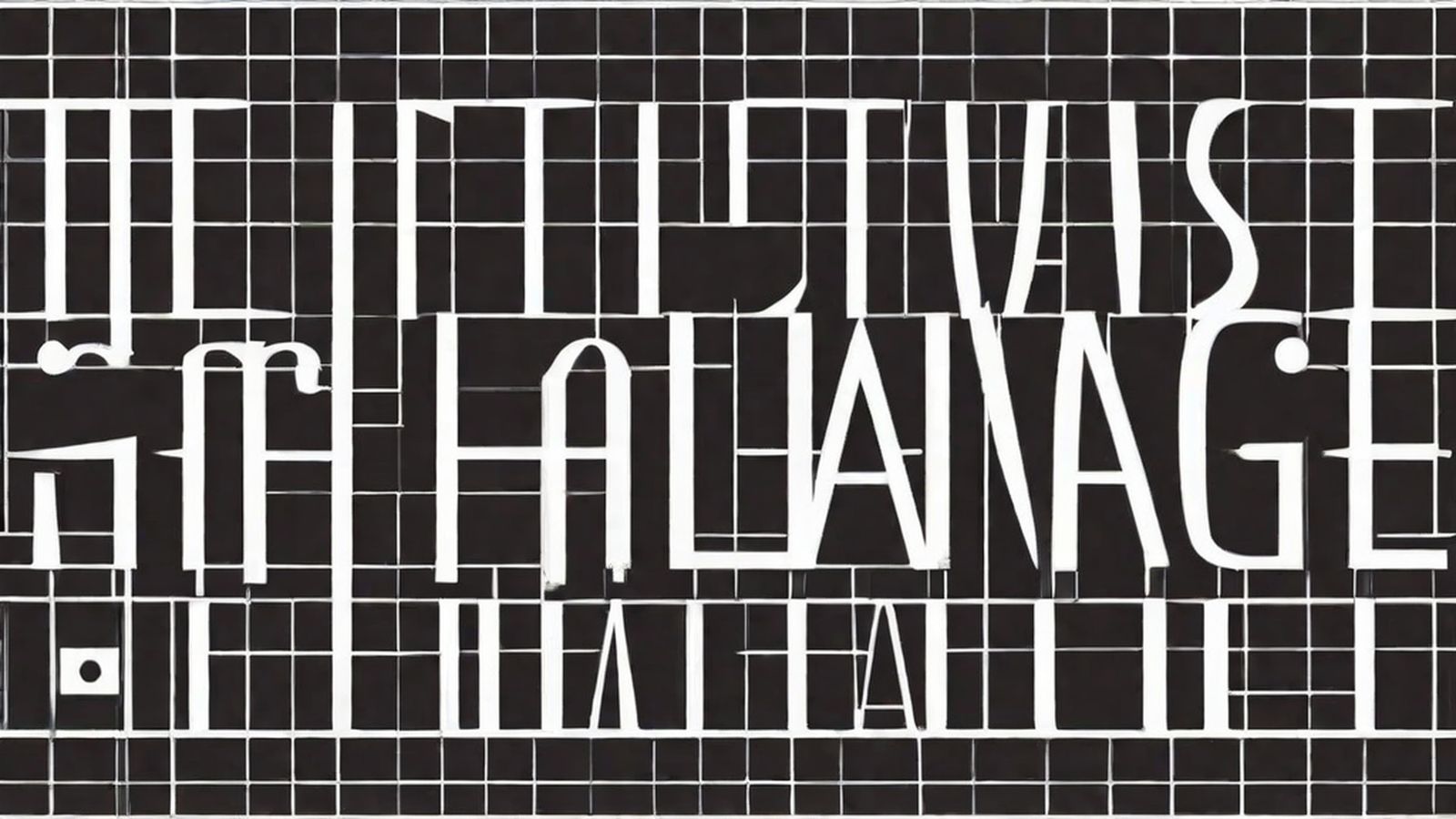
Most of the web looks the same. Rounded corners, soft gradients, card-based layouts, and a muted color palette that screams "we hired the same agency as everyone else." Brutalism and anti-design reject this sameness deliberately. They use raw typography, exposed structure, aggressive contrast, and unconventional layouts to create experiences that are impossible to ignore.
That does not mean brutalism is right for every brand. It is a specific aesthetic choice with specific trade-offs. This article covers when rawness serves a purpose, how to implement it without destroying usability, and where the line sits between bold and broken.
What brutalism actually means in design
Architectural brutalism valued raw materials, exposed structure, and honesty about construction. Digital brutalism translates these values:
- Raw materials: system fonts, default HTML elements, unstyled or minimally styled components
- Exposed structure: visible grids, raw code references, exposed navigation systems
- Honesty: no decorative flourishes that disguise function; every element earns its place
- Contrast: bold type, stark color combinations, aggressive scale differences
Anti-design goes further. Where brutalism strips decoration to expose structure, anti-design deliberately breaks conventions: misaligned elements, "ugly" color combinations, chaotic typography, and layouts that challenge the viewer.
Both approaches share a philosophy: reject default taste and create something that demands attention through its refusal to be polite.
Why rawness works as a strategy
Attention in a saturated landscape
When every brand follows the same "clean and modern" playbook, rawness creates immediate distinction. A brutalist site is memorable because it refuses to blend in. Memorability is the foundation of brand recall.
Authenticity signaling
Polished design can feel corporate and distant. Raw aesthetics signal confidence and independence: "We don't need to look like everyone else." This resonates particularly with audiences who value authenticity over professionalism.
Filtering audiences
Brutalism is polarizing by design. It attracts audiences who appreciate boldness and repels audiences who expect conventional polish. For brands with a strong niche, this filtering is an advantage. For mass-market brands, it is a risk.
Content focus
Brutalist design strips away decorative distraction and forces attention onto the content itself. When the content is strong, this amplification is powerful.
When brutalism works (and when it backfires)
Good fits
- Creative agencies and studios that need to demonstrate design confidence
- Music, art, and cultural brands where unconventionality is expected
- Tech products aimed at developers or early adopters who appreciate rawness
- Fashion brands using anti-design as a statement
- Editorial and media brands with strong written content
- Event and festival branding where energy and impact matter more than comfort
Bad fits
- Healthcare and financial services where trust comes from perceived reliability
- E-commerce where conversion depends on comfort and clarity (unless selling to a design-aware niche)
- Government and institutional sites where accessibility and clarity are primary concerns
- Mass-market consumer products where alienating any segment of the audience is costly
Implementing brutalist web design
Typography as the primary element
Brutalist design relies heavily on typography. The type carries the personality.
- Monospaced fonts (Courier, JetBrains Mono, IBM Plex Mono) reference raw code and technical honesty
- Oversized headings (100px+) create impact and fill the viewport
- Mixed scales (enormous headlines with tiny body text) create dramatic hierarchy
- System fonts at their default rendering signal anti-decoration
Practical tip: brutal typography still needs to be readable. Contrast ratios, line length, and line height must support actual reading. If nobody can read the content, the aesthetic has failed.
Color strategy
Brutalist palettes are typically stark:
- High contrast: black/white, with one or two accent colors
- Unconventional combinations: acid green on black, hot pink on grey, raw amber on navy
- Flat application: no gradients, no subtle shading, just solid blocks of color
- Warning colors used boldly: reds, yellows, and oranges used at full saturation
Layout principles
- Full-width blocks that divide the page into clear horizontal sections
- Exposed grids with visible lines or borders
- Deliberate misalignment (anti-design) where elements break the grid intentionally
- Minimal padding that creates a sense of density and urgency
- Scrolljacking avoided: let the user control the pace
Interactive elements
- Hover states that are bold and obvious (color inversions, scale changes, underlines)
- Cursor customization (large dot cursors, crosshairs) used sparingly
- Minimal animation: brutalism typically favors static or abrupt transitions over smooth easing
- Raw form elements: using browser defaults or minimally styled inputs
Maintaining usability within rawness
The biggest criticism of brutalist design is that it sacrifices usability for style. This is avoidable.
Non-negotiable usability baselines
Even the rawest design must meet these baselines:
- Navigation must be findable. It can look unconventional, but users must be able to locate and operate it within seconds.
- Content must be readable. Text contrast, font size, and line length must support actual reading, not just visual impact.
- Interactive elements must be identifiable. Links must look like links. Buttons must look clickable. Do not sacrifice this for aesthetic purity.
- Mobile must work. Brutalist desktop layouts often break on small screens. Design mobile-first, then scale up the rawness.
- Accessibility baselines apply. Keyboard navigation, screen reader support, sufficient contrast, and meaningful alt text are not optional, regardless of aesthetic. See our creative audit checklist for the fundamentals.
The 80/20 rule for brutalism
Apply raw aesthetics to the 20% of the site that creates brand impression (hero, navigation, headers, transitions). Keep the 80% that users need to read and interact with grounded in usability. This gives you the impact of brutalism without the usability cost.
Brutalism and brand voice
Brutalist visual design needs a matching brand voice. If the visuals are raw but the copy sounds like a corporate memo, the dissonance undermines both.
Brutalist brand voice:
- Short, direct sentences
- No filler phrases ("We're excited to announce...")
- Technical precision where appropriate
- Dry humor or confident provocation
- Honesty about limitations
For guidance on developing a coherent brand voice, see our brand kit workflow.
Building a brutalist design system
Brutalism does not mean chaos. A brutalist design system defines the rules of rawness:
- Type scale: which sizes, which weights, which fonts
- Color palette: the specific stark combinations allowed
- Spacing rules: even minimal padding needs to be consistent
- Component patterns: how cards, buttons, navigation, and forms behave
- "Too far" examples: where the aesthetic crosses into genuine usability failure
Without a system, "brutalist" quickly becomes "broken."
What to do next
If your brand can support rawness, brutalism is one of the fastest paths to visual distinction in 2026. Start with a single page or campaign. Test it with your audience. Measure both impression (memorability, brand recall) and function (task completion, accessibility). Then decide whether to expand.
If you want help designing a brand experience that stands out through rawness rather than polish, book a call or explore our services.