Insight • Design craft
Collage & Scrapbook Aesthetics: Analog Charm in Digital Design
Collage and scrapbook aesthetics bring analog warmth to digital work. Here is how to use them without creating a mess.
We help teams turn insight into action with clear plans, templates, and delivery support.
Digital design has been getting cleaner for a decade. Grids got tighter, shadows got softer, and every interface started to look like every other interface. The pendulum is swinging. Collage and scrapbook aesthetics are showing up in brand campaigns, editorial design, packaging, and web experiences, bringing texture, layering, and analog charm to a landscape that feels increasingly sterile.
This is not nostalgia for its own sake. Collage works because it communicates something that polished minimalism cannot: energy, personality, and the evidence of human decision-making. When every competitor uses the same Figma template, a hand-assembled visual style becomes a genuine competitive advantage.
Why collage aesthetics work now
Three forces are driving the resurgence of collage and scrapbook aesthetics:
AI sameness
AI-generated imagery and templated design have made polished visuals commodity. Collage is inherently difficult to automate well because it depends on curatorial judgment: which elements to combine, how to layer them, what tension to create. This makes collage work feel distinctly human.
Audience fatigue with perfection
Audiences, especially younger demographics, are skeptical of polish. They associate over-produced visuals with inauthenticity. Collage signals effort and personality, which builds trust in a way that stock photography and gradient backgrounds do not.
Cultural references
Zine culture, punk aesthetics, indie publishing, and DIY maker movements are all experiencing mainstream resurgence. Collage taps into these cultural currents and connects brands to values like independence, creativity, and community.
The anatomy of collage design
Effective digital collage is not random. It follows compositional principles, even when it looks chaotic.
Core elements
- Layering: elements overlap, creating depth and hierarchy. The order of layers communicates importance.
- Texture: paper grain, tape, stamps, torn edges, halftone dots. These reference physical media and create tactile warmth.
- Mixed media: combining photography, illustration, typography, and found materials. The contrast between different media types creates visual energy.
- Hand-drawn marks: annotations, arrows, circles, underlines. These suggest human intervention and editorial judgment.
- Typography mixing: combining different typefaces, sizes, and treatments (hand-lettered, printed, stamped, cut-out) within a single composition.
Compositional principles
Even chaotic-looking collages follow structure:
- Focal point: one element dominates and anchors the composition
- Directional flow: the eye moves through the composition in a guided path
- Contrast: differences in scale, color, and texture create hierarchy
- Breathing room: even dense collages need some whitespace to prevent visual overload
- Intentional overlap: elements overlap to create relationships, not by accident
Practical techniques for digital collage
Technique 1: Scanned textures as backgrounds
Scan actual paper, fabric, or textured surfaces at high resolution. Use them as background layers in digital compositions. This immediately adds warmth that digital textures cannot replicate.
Production tips:
- Scan at 300dpi minimum
- Clean up dust and scratches (unless they add character)
- Create a library of 10-15 textures to use consistently across projects
- Optimize for web (compress to JPEG at 80-85% quality)
Technique 2: Torn edge and cut-out masks
Instead of clean rectangular image crops, use torn paper edges or irregular cut-out shapes to mask images. This breaks the grid and adds analog energy.
Production tips:
- Scan actual torn paper for authentic edges
- Create reusable mask shapes in your design tool
- Vary the edge treatment (not every image needs the same tear)
- Keep the content of the image readable despite the irregular crop
Technique 3: Tape and adhesive elements
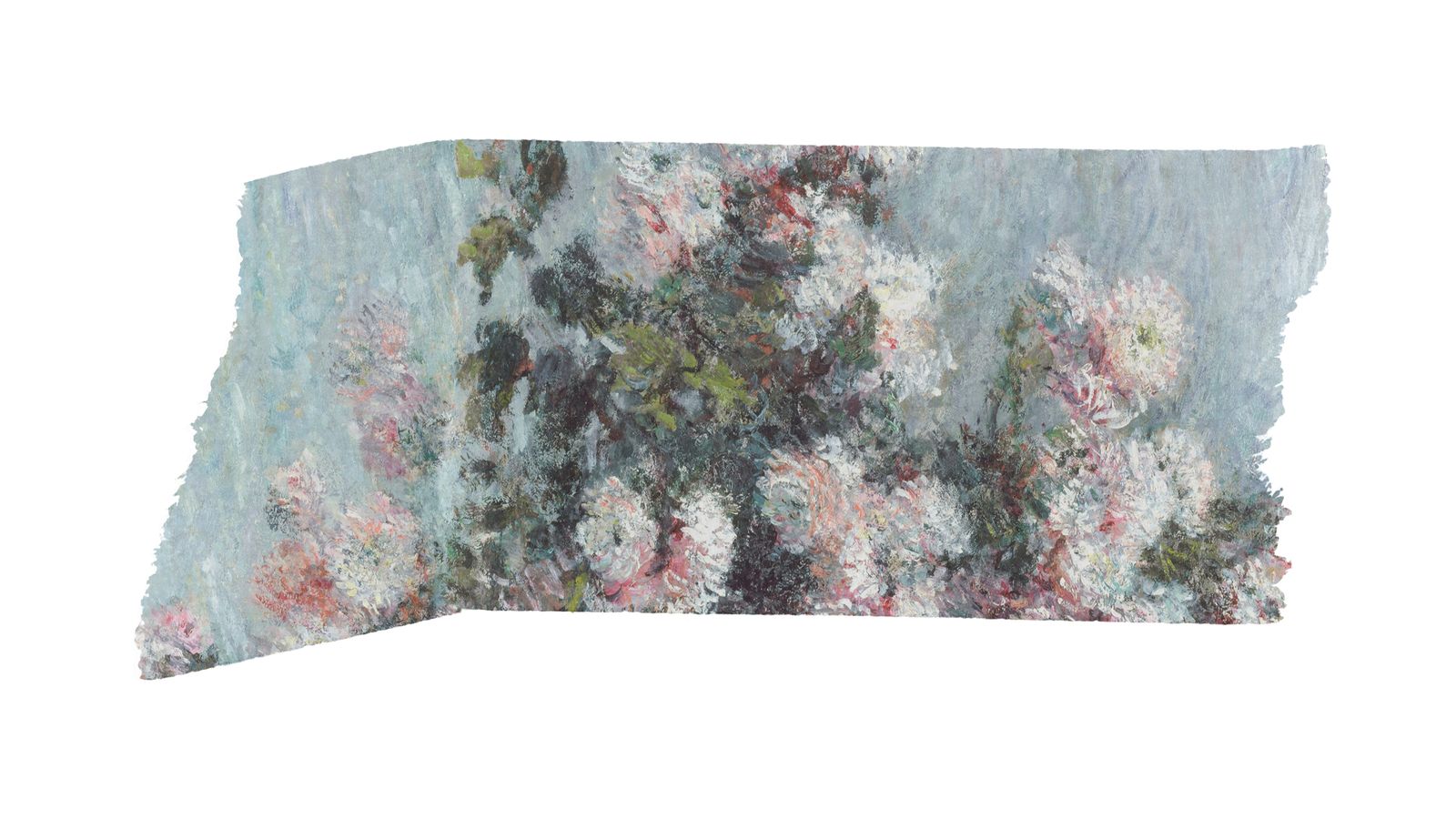
Washi tape, masking tape, paper clips, and pin marks as decorative elements that "hold" compositions together. These create the illusion that the design was assembled by hand.
Production tips:
- Photograph real tape on a plain background for authentic transparency
- Use sparingly (two or three tape elements per composition)
- Vary angle and positioning to avoid looking mechanical
Technique 4: Hand-lettered typography
Mix hand-lettered headlines with clean digital body text. The contrast signals craft without sacrificing readability.
Production tips:
- Commission or create actual hand-lettering (digital "handwriting" fonts often look artificial)
- Use hand-lettering for headlines and callouts, not body text
- Ensure legibility at all target sizes
- Consider accessibility: provide clean text alternatives for screen readers
Technique 5: Layered composition in CSS
For web implementation, use CSS positioning and transforms to create layered compositions that feel collage-like:
- Slight rotation on image elements (2-5 degrees)
- Overlapping elements with z-index management
- Box shadows that simulate physical stacking
- Background textures applied with CSS
Keep it lightweight. The visual effect should not require heavy JavaScript or large asset downloads. Performance matters, and our web design trends guide covers the fundamentals.
Collage in brand identity systems
Collage can be a powerful part of a brand identity system, not just a one-off creative treatment. The key is defining the rules.
Building a collage system
- Define the element palette: which textures, typography treatments, and decorative elements are allowed?
- Set layering rules: how many layers are typical? What overlaps are encouraged?
- Establish color boundaries: collage can become chaotic if color is uncontrolled. Define a palette and stick to it.
- Create templates: even within a collage aesthetic, templated layouts help maintain consistency across applications.
- Document "too far" examples: show the team where the aesthetic crosses from charming to messy.
For help building this into a brand kit, see our brand kit workflow.
Where collage brand identity works
- Fashion and lifestyle brands
- Music and entertainment
- Food and beverage (especially artisan/craft positioning)
- Cultural institutions and events
- Independent publishers and media
- Creative agencies and studios
Where to be cautious
- Corporate communications (unless the brand specifically positions as anti-corporate)
- Technical documentation
- Financial and legal contexts
- Medical and healthcare
Accessibility considerations for collage design
Collage aesthetics can create accessibility challenges. Address them:
- Contrast: ensure text remains readable against textured backgrounds. Test with WCAG contrast checkers.
- Reading order: overlapping elements can confuse screen readers. Ensure semantic HTML follows a logical reading order regardless of visual positioning.
- Alt text: describe the collage content meaningfully, not just "collage image."
- Reduced motion: if collage elements animate (parallax, drift), respect
prefers-reduced-motion. - Text alternatives: hand-lettered or decorative text must have accessible alternatives.
Producing collage assets at scale
One concern with collage aesthetics is production speed. Hand-assembled compositions take longer than templated layouts. Here is how to scale:
- Build a reusable asset library: textures, tape elements, edge masks, stamps, and decorative marks that can be mixed and matched.
- Create Figma/design tool components: templated collage frames that allow content swaps without rebuilding the composition.
- Define 3-4 composition recipes: standard arrangements that the team can follow for consistent output.
- Batch production: create series of collages in sessions rather than one at a time.
What to do next
If collage fits your brand's personality, start small. Apply the aesthetic to one campaign or one section of your site. Build your texture library, test the results, and iterate. The best collage work is grown, not designed all at once.
If you want help developing a collage aesthetic that works at scale, book a call or explore our services.